Cash App Scams: 9 Ways Thieves Steal Your Money (2026 Guide)
Cash App scams stole over $1B from Americans last year. Learn the 9 most common Cash App scams in 2026 — fake customer service, accidental payment, $750 Cash App reward — and exactly how to get your money back.
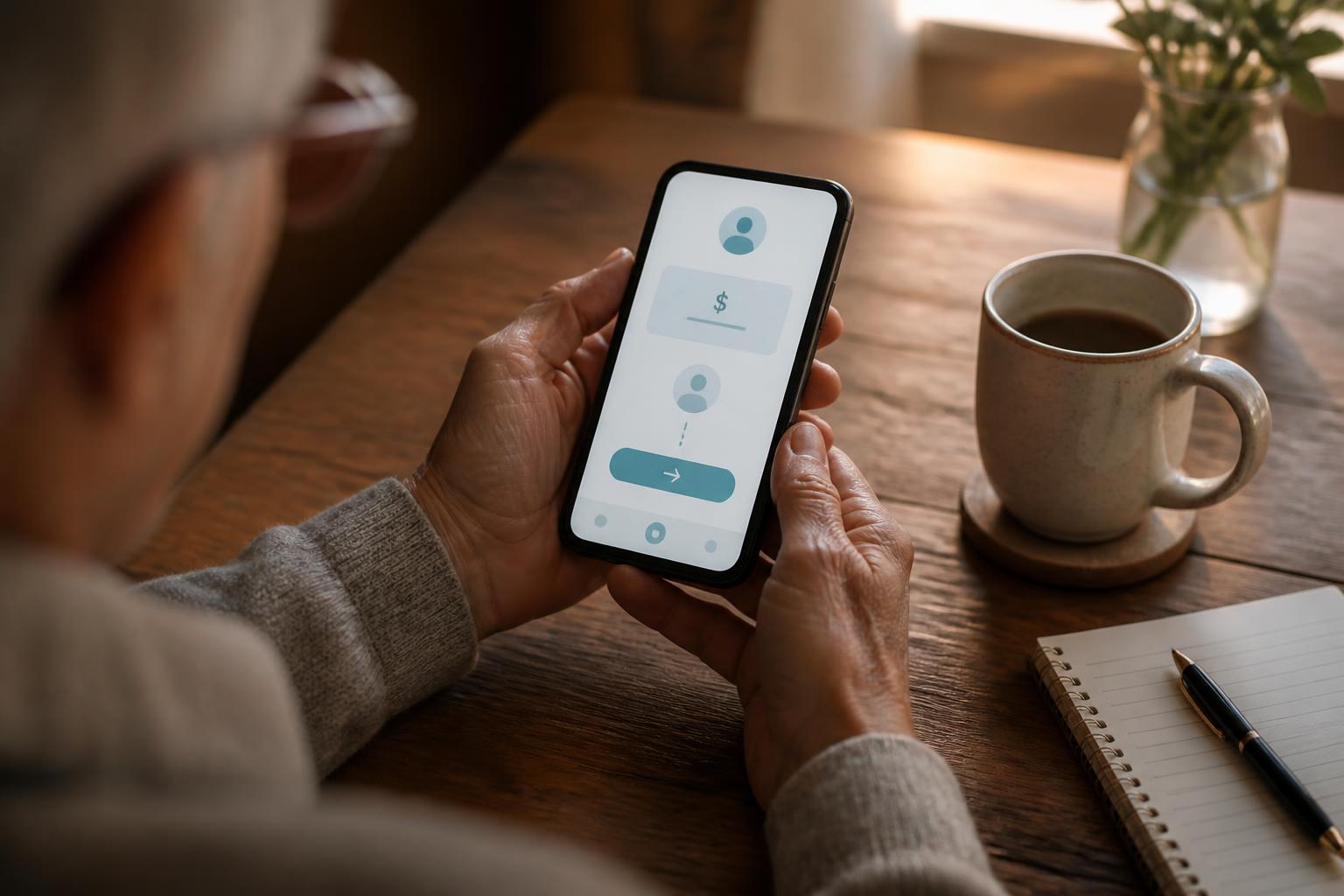
Cash App is the #1 peer-to-peer payment app in the United States — and the #1 target for scammers. The Federal Trade Commission says Americans lost more than $1 billion to payment-app fraud in 2024, and Cash App tops every consumer-complaint database from the FTC to the Better Business Bureau. The reason is brutal but simple: Cash App transfers are instant, irreversible, and have no buyer protection. Once the money leaves your account, it is almost always gone for good. This guide walks you through the 9 Cash App scams targeting seniors and everyday users in 2026, the exact red flags to watch for, and the step-by-step process to dispute a fraudulent payment.
Why Cash App is a scammer's favorite tool
Unlike a credit card or a bank wire, Cash App was built for speed, not safety. Payments settle in seconds. There is no chargeback button. There is no fraud department that will reverse a transfer you authorized — even if you were tricked into authorizing it. Scammers know this, which is why they push every victim toward Cash App, Zelle, or Venmo instead of a credit card. If a stranger insists on Cash App and refuses any other payment method, that is the scam.
The 9 most common Cash App scams in 2026
1. The fake Cash App customer service scam
You search "Cash App customer service number" on Google. The top result looks official. You call. A friendly "agent" answers, asks for your PIN, sign-in code, or full card number to "verify your account," then drains it. Cash App has no live phone support — only in-app chat and email through cash.app/help. Every phone number on Google ads, Facebook, or Reddit claiming to be Cash App support is a scam.
2. The $750 Cash App reward scam
You see a TikTok, Instagram reel, or Facebook post promising a $750 Cash App reward, gift card, or "flip" if you send $5–$50 first. It is always fake. Cash App does not run giveaways that require you to send money first. Anyone who promises to multiply your money is running a classic "money flip" fraud — the moment you send, they block you.
3. The accidental payment scam
A stranger sends you $200 "by accident" and asks you to send it back. The money you received came from a stolen credit card linked to a hacked Cash App account. When the real owner reports the fraud, Cash App pulls back the $200. You already sent your own $200 back — and now you are out the full amount. Never refund a stranger. Tell them to contact Cash App support to reverse it on their end.
4. The Cashtag verification / sign-in code scam
A scammer messages you saying they need to send you money but need your "verification code" first. That 6-digit code is your Cash App sign-in code — handing it over gives them full control of your account. Cash App will never ask you to share a sign-in code with anyone, ever.
5. The fake payment notification screenshot
Common in Facebook Marketplace, OfferUp, and Craigslist sales. A buyer sends you a screenshot of a Cash App "payment sent" message and asks you to hand over the item. The screenshot is photoshopped — no money ever arrives. Always open the Cash App and verify the funds are in your balance before releasing any item.
6. The rental deposit / pet adoption scam
A too-good-to-be-true apartment, puppy, or concert ticket listing demands a deposit via Cash App to "hold" it. The listing vanishes the moment you pay. Legitimate landlords, breeders, and ticket sellers use escrow services, certified checks, or credit cards — never Cash App.
7. The romance scam Cash App request
Someone you met on Facebook, Hinge, or a dating app builds a relationship over weeks, then asks for Cash App money for a "plane ticket," "medical emergency," or "customs fee." If you have never met in person and they are asking for Cash App, it is a romance scam. The AARP estimates seniors lost over $389 million to romance scams in 2024.
8. The fake IRS / utility / law enforcement Cash App demand
A caller claiming to be the IRS, the sheriff's office, or your power company demands immediate payment via Cash App or threatens arrest / shut-off. No government agency or utility will ever ask for payment via Cash App, Zelle, Venmo, gift cards, or Bitcoin. Hang up and call the agency directly using a number from their official .gov website.
9. The investment / crypto Cash App scam
Someone DMs you about a guaranteed-return Bitcoin or stock-trading platform that takes deposits through Cash App. After a small "test profit," they pressure you to deposit thousands. The platform is fake and your money is gone. Legitimate investments are never sold through a stranger's Cash App.
How to spot a Cash App scam in 30 seconds
- Anyone calling, texting, or emailing claiming to be Cash App support.
- A promise to "flip," multiply, or reward your money if you send a payment first.
- Pressure to act immediately — "send right now or lose it."
- Requests for your PIN, full card number, or 6-digit sign-in code.
- A stranger sending you money and then asking you to send it back.
- A seller, landlord, or charity that ONLY accepts Cash App.
- Screenshots of payments instead of money actually showing up in your balance.
Is Cash App safe to use?
Cash App itself is safe when used the way it was designed: sending money to people you personally know and trust, like splitting a dinner bill or paying a grandchild's birthday gift. It becomes dangerous the moment you use it to pay a stranger, an online seller, a romantic interest you have never met, or anyone claiming to represent a company, charity, or government agency. Treat Cash App like cash — once it is gone, it is gone.
Can you get your money back from a Cash App scam?
Sometimes — but only if you act fast. Cash App will not reverse a payment you authorized, even one you were tricked into. Your best chances are: (1) cancelling the payment before the recipient accepts it, (2) requesting a refund directly from the recipient, or (3) disputing the transaction if your funding source was a credit card. Here is the exact process.
Step-by-step: dispute a Cash App scam payment
- Open Cash App, tap the Activity tab (clock icon), and find the payment.
- Tap the payment, then tap "…" in the top right, then "Refund." If the recipient hasn't accepted yet, you can cancel it instantly.
- If the refund option is gone, tap "Need Help & Cash App Support" → "Dispute this Transaction."
- If you funded the payment with a credit card, call your credit card company and dispute the charge under Regulation Z — credit card chargebacks override Cash App's no-refund policy.
- Report the scam to the FTC at ReportFraud.ftc.gov and the FBI Internet Crime Complaint Center at IC3.gov.
- If you are over 60, report to the National Elder Fraud Hotline at 1-833-FRAUD-11 (1-833-372-8311) for case management help.
How to protect your Cash App account today
- Turn on the Security Lock in Settings → Privacy & Security so every payment requires Face ID, fingerprint, or PIN.
- Enable two-factor authentication and never share the 6-digit code.
- Set a strong, unique password — not the one you use for email or banking.
- Unlink any debit card; use a credit card as your funding source for chargeback protection.
- Hide your Cashtag from public payment requests in privacy settings.
- Review the Activity tab weekly for charges you don't recognize.
- Never click a Cash App link from a text, email, or DM — always type cash.app into your browser yourself.
What to do if you've already been scammed
Do not feel ashamed — these scams are designed by professionals to fool intelligent adults. Move fast: dispute the payment in Cash App, call your credit card or bank, change your Cash App password, enable the Security Lock, and report the incident to ReportFraud.ftc.gov and IC3.gov. The faster you report, the better the chance investigators can trace the money. And tell one trusted family member today — most scam victims are targeted repeatedly because criminals share "sucker lists."
Cash App scam FAQ
Will Cash App refund money if I'm scammed?
Usually no. Cash App only refunds payments that were not authorized by you (account hacking). If you sent the payment yourself — even because you were tricked — Cash App's official policy is that the transaction is final. Your best refund path is a credit card chargeback.
Is there a real Cash App customer service phone number?
No. Cash App support is in-app only (Profile → Support) or through cash.app/help. Any phone number claiming to be Cash App is a scam.
What is the $750 Cash App reward?
It does not exist. The $750 Cash App reward, $500 Cash App giveaway, and "Cash App flip" are scams that have been circulating on TikTok, Instagram, and Facebook since 2021. Anyone asking you to send money first to claim it is a thief.
Can someone hack my Cash App with just my Cashtag?
No — your Cashtag is public, like an email address. But never share your PIN, password, or 6-digit sign-in code. Those are the keys that let scammers in.
Safe Retire Watch sends real-time alerts to subscribers the moment a new Cash App, Zelle, or Venmo scam starts trending in your state — usually weeks before it hits the news. If this guide helped you, consider joining for $9/month and protecting your family today.
Paste a suspicious text or email — instant AI verdict.
Paste any URL before you click — free phishing check.
Get scam alerts before they reach you
Safe Retire Watch sends real-time alerts when new scams target retirees in your state. From $9/month. 30-day money-back guarantee.
Get Protected