Fake Check Scams: How to Spot One Before You Deposit It (2026)
Fake check scams cost Americans over $28M last year, and seniors are the #1 target. Learn the 6 red flags, why your bank can't protect you, and the 10-day rule that stops the scam cold.
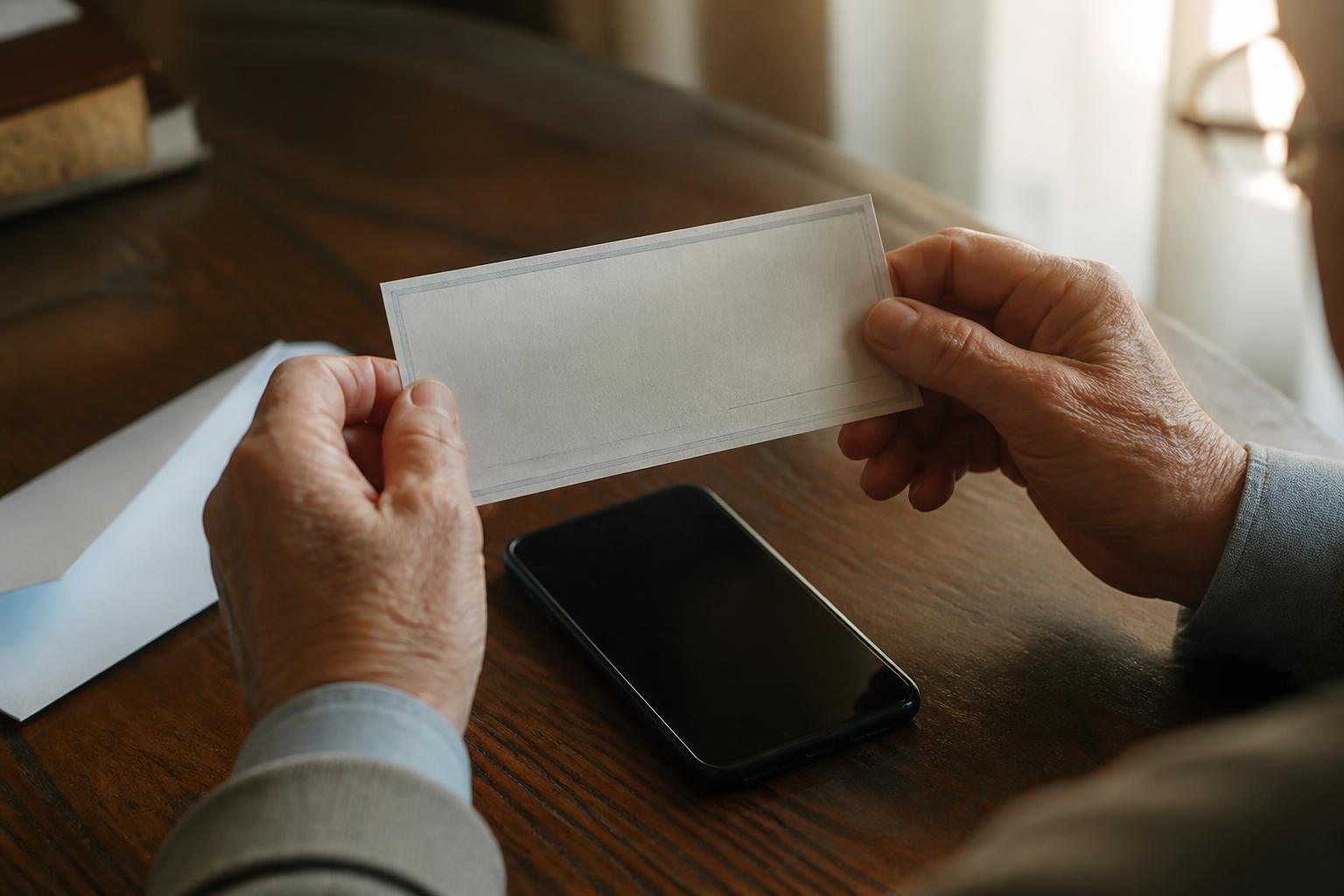
A check arrives in the mail for more than you expected. The buyer, employer, or sweepstakes apologizes for the "mix-up" and asks you to deposit it and wire back the difference. The check looks real. Your bank even lets you withdraw the cash. Two weeks later, the check bounces — and you owe every dollar back. This is the fake check scam, and according to the FTC it stole more than $28 million from Americans in 2024, with the median loss around $2,000. Here's how to spot one before you ever endorse it.
Why fake checks fool smart people (and even bank tellers)
Federal law (Regulation CC) forces banks to make funds from deposited checks available within 1–2 business days. But "available" does not mean "verified." The check itself can take 10 days or more to clear — and if it bounces, the bank claws back every dollar, even money you've already spent or wired. The fake check scam is built entirely around this gap.
The 6 red flags of a fake check scam
- You're paid more than the agreed amount and asked to refund the difference. This is the #1 sign — legitimate buyers never overpay on purpose.
- You're told to wire money, buy gift cards, or send cryptocurrency with the funds. Real refunds use the same payment method they came in on.
- The check is for a job you didn't apply for, a prize you didn't enter, or an item you didn't sell.
- The sender pressures you to act fast — "deposit today, send it tonight." Urgency exists so the check bounces after you've already wired the money.
- The check is a cashier's check, official check, or money order. Scammers prefer these because most people believe they "can't bounce." They can — and do.
- The sender contacts you by text, social media DM, WhatsApp, or a dating app. Real employers and buyers don't pay strangers by mailed check after a chat conversation.
The 4 most common 2026 fake check scripts
1. Overpayment for an item you're selling
You list furniture, a car, or tools on Facebook Marketplace, Craigslist, or Nextdoor. The "buyer" sends a cashier's check for $500 more than the price and asks you to wire the extra to their "mover."
2. Fake mystery-shopper or work-from-home job
You're "hired" via email or text and mailed a check to cover your first assignment — usually buying gift cards at a store and reporting on the experience. The gift card codes go to the scammer; the check bounces a week later.
3. Sweepstakes or lottery "taxes and fees"
You "won" a prize you never entered. To release the winnings, you must deposit a small check and wire back the "processing fee." Real sweepstakes never ask winners to pay anything up front.
4. Romance partner who needs help
Someone you met online sends a check to cover their travel, medical, or legal emergency and asks you to forward the money. It's a fake check and usually a fake person.
The 10-day rule that beats every fake check scam
Never spend, withdraw, or wire money from a deposited check until at least 10 business days have passed and you have personally confirmed with your bank that the check has fully cleared — not just "made funds available." Use the exact phrase: "Has this check finished collecting from the issuing bank?" If anyone pressures you to act sooner, they are not a real buyer, employer, or partner.
What to do if you already deposited a fake check
- Stop. Do not wire, send gift cards, or move any of the money — even if you've already promised to.
- Call your bank's fraud line today and tell them you believe the check is fraudulent. They can place a hold and may save you from being on the hook for the full amount.
- If you already wired or sent gift cards, call the wire service or gift card issuer immediately — funds can sometimes be frozen within hours.
- Report it to the FTC at reportfraud.ftc.gov and to the U.S. Postal Inspection Service at uspis.gov/report (mailed checks are a federal mail-fraud case).
- Save the envelope, the check, all messages, and any tracking numbers — investigators need them.
How Safe Retire Watch helps
Members get real-time alerts when new fake check scripts (overpayment, mystery shopper, romance, sweepstakes) appear in their state, plus a one-page Emergency Action Guide with the exact phone numbers to call (bank fraud line, FTC, USPIS) and the order to call them in. From $9/month with a 30-day money-back guarantee.
Paste a suspicious text or email — instant AI verdict.
Paste any URL before you click — free phishing check.
Get scam alerts before they reach you
Safe Retire Watch sends real-time alerts when new scams target retirees in your state. From $9/month. 30-day money-back guarantee.
Get Protected