Medicare Scam Calls: How to Spot and Stop Them (2026 Retiree Guide)
Medicare scam calls target seniors every day in 2026. Learn the exact scripts fraudsters use, the 3 things real Medicare will never ask on the phone, and 6 free steps to stop the calls and report the scammers.
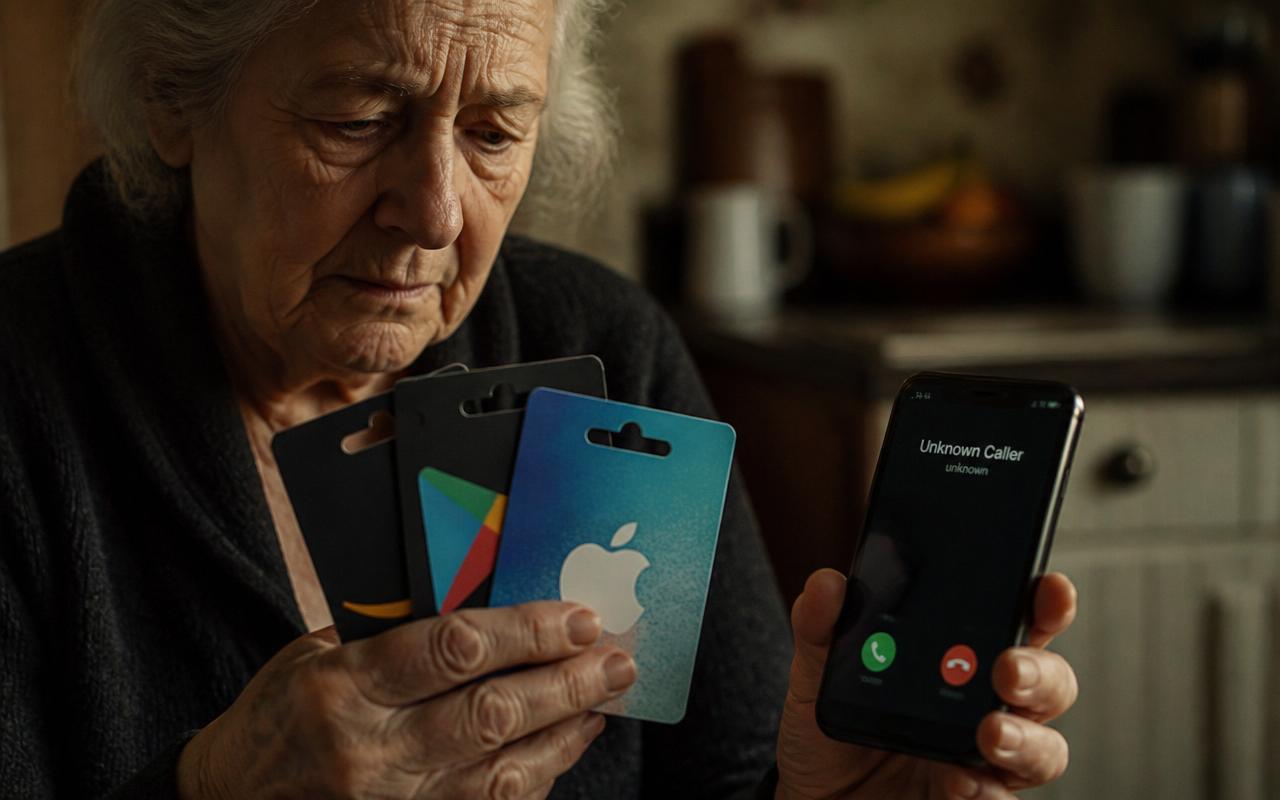
If your phone has been ringing with someone claiming to be from Medicare — offering a "free" back brace, a new plastic Medicare card, or warning that your benefits will be canceled — you are being targeted by one of the most common scams in America. Medicare scam calls cost U.S. seniors an estimated $60 billion a year in fraud losses and improper payments, according to the National Health Care Anti-Fraud Association. The good news: these calls follow a predictable pattern, and once you know the pattern, they become almost easy to spot. This 2026 guide walks you through exactly what real Medicare will and won't do on the phone, the 8 most common Medicare scam call scripts running right now, and the six free steps to stop the calls and report the scammers.
Does Medicare ever call you? The short answer
Almost never. Medicare communicates with beneficiaries by mail — not by phone, text, or email. There are only two narrow situations where you might get a real call from Medicare or a Medicare plan:
- You called Medicare first (or filed a complaint) and a representative is calling you back. In that case, they will already know your case number and never ask for your Medicare number.
- You are enrolled in a Medicare Advantage or Part D plan and the private insurance company calls about your existing plan. They already have your member ID and will never ask you to "verify" it.
3 things real Medicare will NEVER do on a phone call
- Ask for your Medicare number, Social Security number, or bank account information. They already have your Medicare number. If they say they don't, they are not Medicare.
- Threaten to cancel your benefits, arrest you, or send the police if you don't pay or act right now. Medicare does not threaten. Ever.
- Offer you free medical equipment, DNA tests, back braces, knee braces, or COVID tests in exchange for your Medicare number. Real Medicare does not cold-call you to offer products.
The 8 most common Medicare scam call scripts in 2026
Scammers rotate scripts constantly, but almost every Medicare phone scam falls into one of these eight buckets. Read them out loud once — the next time one of these calls comes in, you'll recognize it in the first 5 seconds.
1. The "new Medicare card" scam
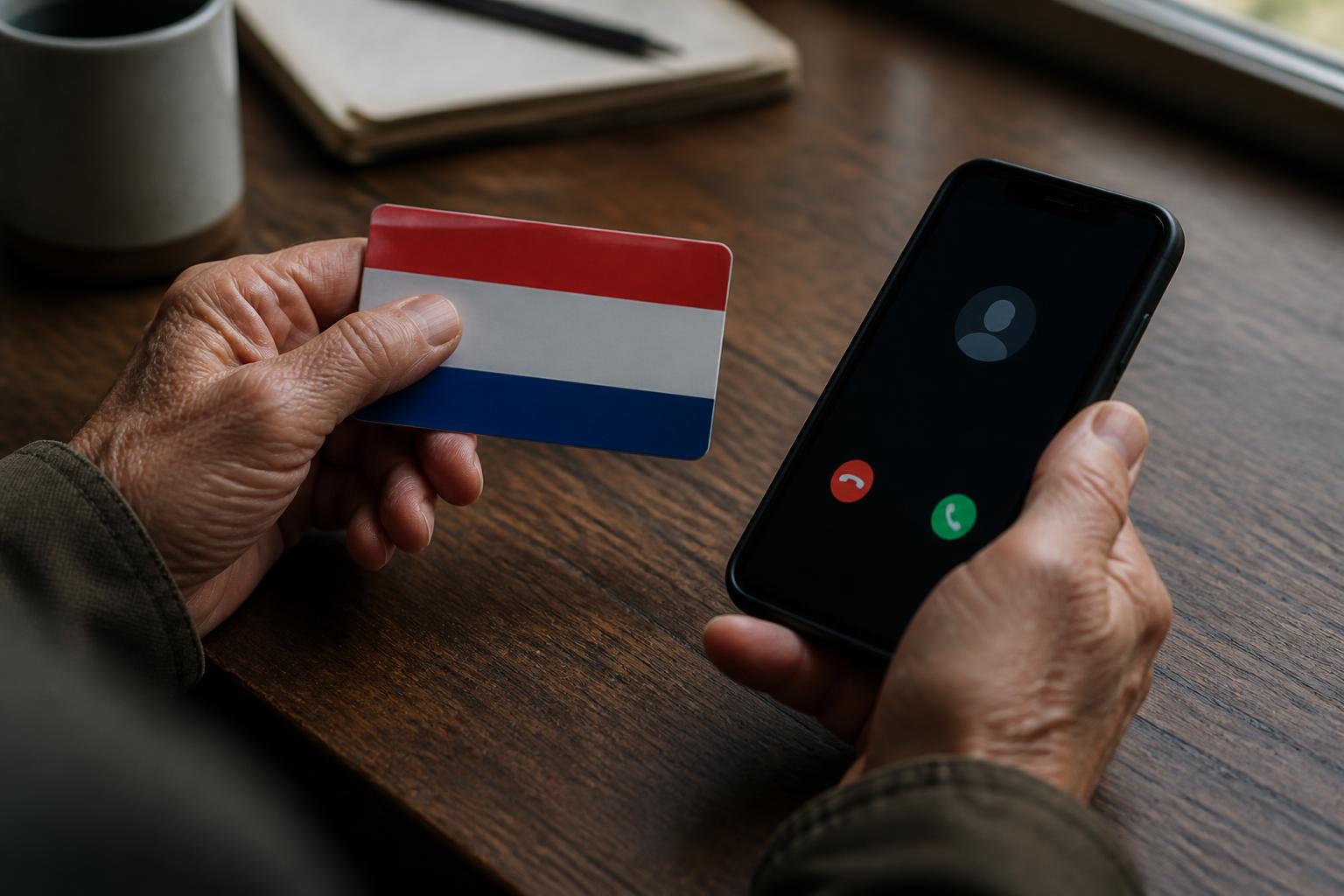
"Hello, this is Medicare. We're issuing new plastic or chip-enabled Medicare cards this year. To verify your address so we can mail yours, please confirm your Medicare number." There are no new plastic Medicare cards. The paper red-white-and-blue card is still the official one. Hang up.
2. The "free back brace" (or knee brace / DNA test) scam
"Medicare has approved you for a free back brace at no cost to you. I just need your Medicare number to ship it." This is called durable medical equipment (DME) fraud. Scammers bill Medicare thousands of dollars for junk equipment using your number — and it can compromise your future benefits.
3. The Medicare Advantage "open enrollment" scam
Ramps up every fall (October 15 – December 7) during Open Enrollment. "I can get you a better plan with dental, vision, and $150 back on your Social Security check every month — I just need your Medicare number to check eligibility." Legitimate brokers do not cold-call you and do not need your Medicare number to quote a plan.
4. The "your benefits will be canceled" scam
"There's a problem with your Medicare account. Your benefits will be terminated in 24 hours unless we verify your information." Medicare cannot and does not cancel your benefits over the phone. This is a fear tactic — hang up.
5. The COVID / flu / RSV "free test kit" scam
"Medicare is offering free COVID and flu test kits — I just need to verify your Medicare number and shipping address." Even after the pandemic, this script keeps running. Free tests from Medicare are ordered on Medicare.gov or through your doctor, never by an unsolicited phone call.
6. The refund / rebate scam
"You're due a refund of $694 from Medicare for overpaid premiums. I just need your bank account and routing number to deposit it." Refunds from Medicare come by paper check in the mail — never by direct deposit set up over the phone.
7. The "we need to update your file" robocall
An automated voice says "Press 1 to speak with a Medicare specialist about your file." If you press 1, a live scammer takes over. Do not press any buttons on a suspicious robocall — just hang up. Pressing 1 flags your number as "answered by a human" and you will get more calls.
8. The "Medicare card is compromised" scam
"Your Medicare number has been used in fraudulent claims in Texas. To protect you, we're issuing a new number — please confirm the last four digits of your current one." Medicare never notifies beneficiaries of fraud by cold call.
How to tell a real Medicare call from a scam call (30-second checklist)
Any time your phone rings and the person claims to be from Medicare, a Medicare plan, or a Medicare "partner," run through these five checks before you say one more word:
- Did I ask them to call me? If no, treat the call as a scam by default.
- Are they asking for my Medicare number, SSN, bank info, or credit card? Real Medicare already has your Medicare number and will never ask.
- Are they pressuring me to decide right now? Real Medicare gives you weeks or months to make decisions in writing.
- Are they offering something "free" for my Medicare number? Nothing free requires your Medicare number — that's fraud bait.
- Are they threatening to cancel benefits or send police? Medicare never threatens.
How to stop Medicare scam calls: 6 free steps that actually work
Scam calls will never hit zero, but you can cut them by 80–90% with the steps below. All are free and take under an hour total.
Step 1: Register on the National Do Not Call Registry
Go to donotcall.gov or call 1-888-382-1222 from the phone you want to protect. It will not stop scammers (they ignore the law), but it will stop most legitimate telemarketers, which makes the scam calls easier to spot.
Step 2: Turn on your phone carrier's free scam blocker
Every major U.S. carrier now offers free spam-call filtering. Ask a family member to enable it, or call your carrier: Verizon Call Filter, AT&T ActiveArmor, T-Mobile Scam Shield, Xfinity Voice Advanced Call Screening — all free.
Step 3: Let unknown numbers go to voicemail
This is the single most effective step. Real callers — your doctor, your bank, your family — will leave a message. Scammers almost never do, because voicemail wastes their time. If you didn't recognize the number, don't answer.
Step 4: Never say the word "yes" to an unknown caller
One common opener: "Can you hear me okay?" If you say "yes," scammers record it and use the clip to authorize charges. If a caller you don't know asks any yes/no question, respond with "Who are you calling for?" instead.
Step 5: Add a spam-blocking app on your smartphone
If you have an iPhone or Android, apps like Nomorobo, Hiya, or Truecaller block known scam numbers automatically. All have free tiers. Ask a family member to install one for you — it takes 5 minutes.
Step 6: Guard your Medicare number like your Social Security number
Never give your Medicare number to anyone who calls, texts, or emails you first. Only share it with your doctor, your pharmacist, your hospital, and 1-800-MEDICARE. Write it down and keep it in a drawer — do not carry the card in your wallet unless you have an upcoming appointment.
How to report a Medicare scam call (and why it matters)
Reporting takes 3 minutes and it helps investigators shut down the boiler rooms behind these calls. You do not need proof — just what you remember.
- Call 1-800-MEDICARE (1-800-633-4227). Tell them "I want to report a suspected scam call." You do not need your Medicare card in front of you.
- Contact your state's Senior Medicare Patrol (SMP). Free help specifically for Medicare fraud. Find yours at smpresource.org or call 1-877-808-2468.
- File a complaint with the FTC at reportfraud.ftc.gov. This helps federal enforcement build cases.
- If you gave up your Medicare number, also call the Office of Inspector General at 1-800-HHS-TIPS (1-800-447-8477).
What to do if you already gave a scammer your Medicare number
First: breathe. This happens to smart people every day and there is a clear playbook. Do these five things today, in this order:
- Call 1-800-MEDICARE and report that your number may be compromised. Ask them to flag your account for suspicious claims.
- Review your Medicare Summary Notice (MSN) or log into MyMedicare.gov and check for any claims you don't recognize. Report every one.
- Contact your state Senior Medicare Patrol for one-on-one help — this service is free and confidential.
- If you also gave up bank info, call your bank immediately and ask for a fraud hold on the account.
- Consider a free credit freeze at all three bureaus (Equifax, Experian, TransUnion) so scammers can't open new accounts in your name.
Medicare scam call FAQ
Is 1-800-MEDICARE a real number?
Yes. 1-800-MEDICARE (1-800-633-4227) is the only official Medicare phone number. It is open 24 hours a day, 7 days a week. When you call this number, you will never be asked for your Medicare number to prove who you are — you'll be asked identifying questions instead.
Can Medicare call you about your benefits?
Only if you called them first or filed a complaint they're following up on. Medicare's default is mail, not phone. If a caller says they're from Medicare and you didn't reach out first, assume it's a scam.
Are Medicare open enrollment calls a scam?
Almost always. Federal law prohibits Medicare Advantage and Part D plans from making unsolicited cold calls to enroll you. If someone calls you out of the blue during Open Enrollment (Oct 15 – Dec 7) to "switch your plan," it is a scam or, at best, an aggressive broker you should not do business with.
Why do I keep getting Medicare scam calls?
Your phone number is likely on a "sucker list" — a list of numbers that answered a previous scam call, pressed a button on a robocall, or belong to someone over 60. Following the 6-step blocker plan above will cut the calls dramatically within 2–3 weeks.
Should I answer calls from 800 or 888 numbers claiming to be Medicare?
No. Scammers spoof toll-free numbers all the time. If you want to speak to Medicare, hang up and dial 1-800-633-4227 yourself. Never call a number a caller gave you or read to you off caller ID.
The bottom line
Medicare scam calls prey on trust and urgency — but they only work if you engage. Two habits stop 95% of them: let unknown numbers go to voicemail, and never share your Medicare number with anyone who called you first. If you want a second opinion on a message or call in the moment, our free AI Scam Check tool gives you a plain-English verdict in seconds — no signup needed.
Paste a suspicious text or email — instant AI verdict.
Paste any URL before you click — free phishing check.
Get scam alerts before they reach you
Safe Retire Watch sends real-time alerts when new scams target retirees in your state. From $9/month. 30-day money-back guarantee.
Get Protected