Medicare Card Scam: 5 Things Real Calls Never Ask For
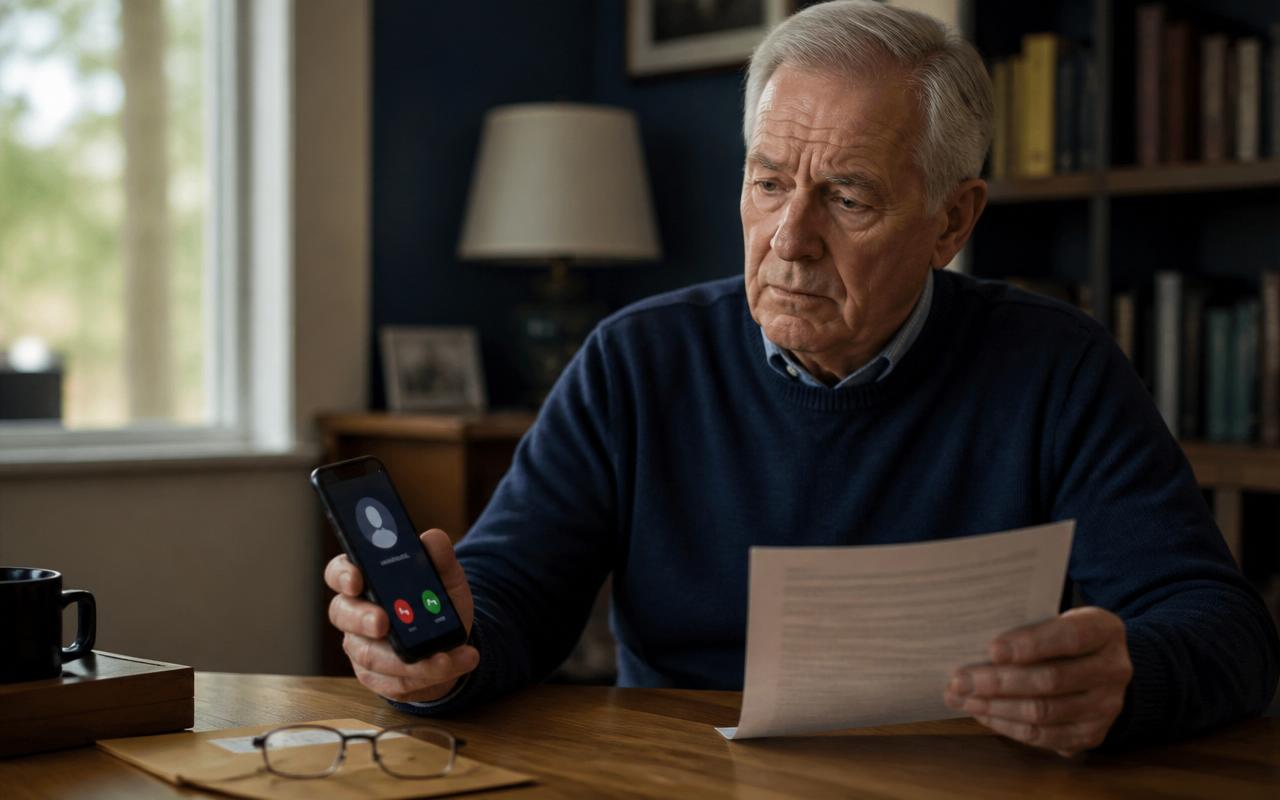
Medicare will never call you out of the blue asking for your number, bank info, or a payment. Here are the 5 dead giveaways of a Medicare scam — and what to do if you already gave information.
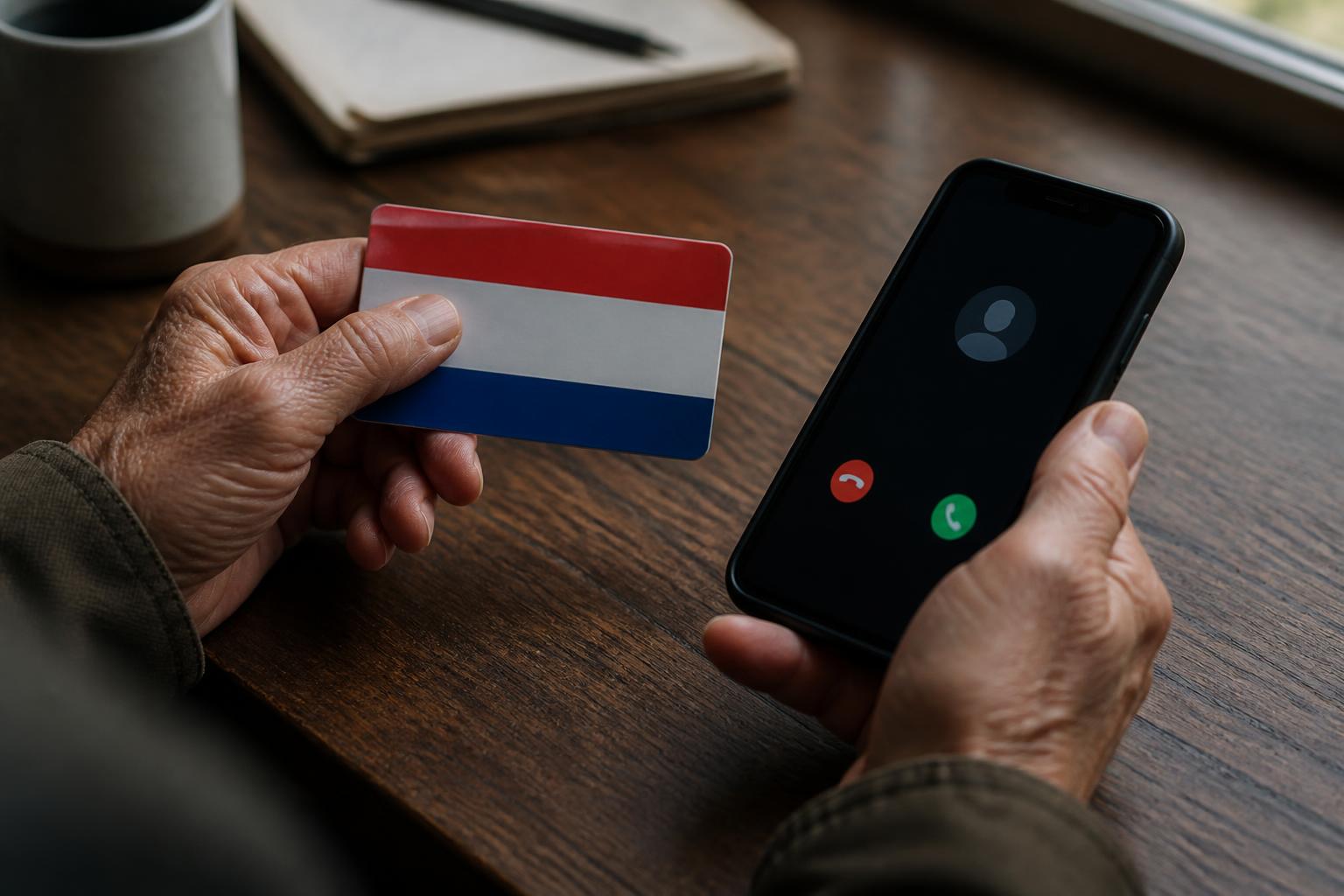
Medicare-related scam calls are the #1 phone fraud category for Americans over 65. The scripts change every few months — new card, new benefit, new "flex card" — but the giveaways stay the same. If a caller does any of the 5 things below, hang up. It's not Medicare.
5 things a real Medicare call will NEVER do
- Call you first. Medicare communicates by mail. They only call if you contacted them first and they're returning your call.
- Ask for your Medicare number to "verify" you. They already have it.
- Threaten to cancel your coverage if you don't act today.
- Offer a "free" upgrade, brace, DNA test kit, or flex card in exchange for your number.
- Ask for payment by gift card, wire, or cryptocurrency. Medicare doesn't take any of those.
What scammers do with a Medicare number
Your Medicare number is as valuable as a Social Security number. Crooks use it to bill Medicare for fake equipment, fake genetic tests, and fake home-health visits — sometimes tens of thousands of dollars per victim. You don't lose money directly, but you can lose access to legitimate services if your account is flagged for fraud.
What to do if you already gave out your Medicare number
- Call 1-800-MEDICARE (1-800-633-4227) and report it. Have your number handy.
- Check your Medicare Summary Notice (MSN) every quarter for charges you don't recognize.
- Report the call to the Senior Medicare Patrol at smpresource.org — they investigate and can help you reverse fraudulent billing.
- Report to the FTC at reportfraud.ftc.gov.
Stay one step ahead
Safe Retire Watch sends a plain-English alert the moment a new Medicare-related scam script appears in your state, with the exact phrases to listen for. Members get the alerts by email, SMS, or both. From $25/month.
Frequently asked questions
- Is Medicare calling about a new card?
- No. Medicare is not replacing cards and will never call you unsolicited about one. Any call offering a new plastic card, a chip card, or added benefits in exchange for your Medicare number is a scam.
- What will a real Medicare representative never ask for?
- Real Medicare staff never call unexpectedly to ask for your Medicare number, Social Security number, bank account, or credit card, and never demand payment to keep your coverage. Medicare does not threaten to cancel benefits over the phone.
- What should I do if a caller asks for my Medicare number?
- Hang up. Then call 1-800-MEDICARE (1-800-633-4227) yourself if you want to check anything about your account. Report the scam call to Medicare and to the FTC at reportfraud.ftc.gov.
- Why do scammers want my Medicare number?
- They use it to bill Medicare for fake equipment and services in your name, which can exhaust your benefits and corrupt your medical records. Guard your Medicare number like a credit card number.
Paste a suspicious text or email — instant AI verdict.
Paste any URL before you click — free phishing check.
Stay informed with Safe Retire Watch
Essential starts at $12/month with weekly email scam alerts, the full alert library, and printable safety checklists. Protect is $25/month with real-time email and SMS alerts, Emergency Action Guides, and priority email support. Family Shield is $49/month for up to four family members. 30-day money-back guarantee.
- Encrypted, secure connection
- Payments processed by Stripe
- 30-day money-back guarantee
- Cancel anytime, no fees