Publishers Clearing House Scam in 2026: How the Fake ‘You Won’ Call Really Works (and How to Get Your Money Back)
Publishers Clearing House scam calls, letters, and Facebook messages are draining seniors of an average of $9,800 per victim in 2026. Here is exactly how the fake ‘Prize Patrol’ call works, the 10 red flags that give every version away, the real PCH rules (they never call to announce a win, never ask for a fee), and step-by-step what to do if you already sent money, gift cards, or a wire.
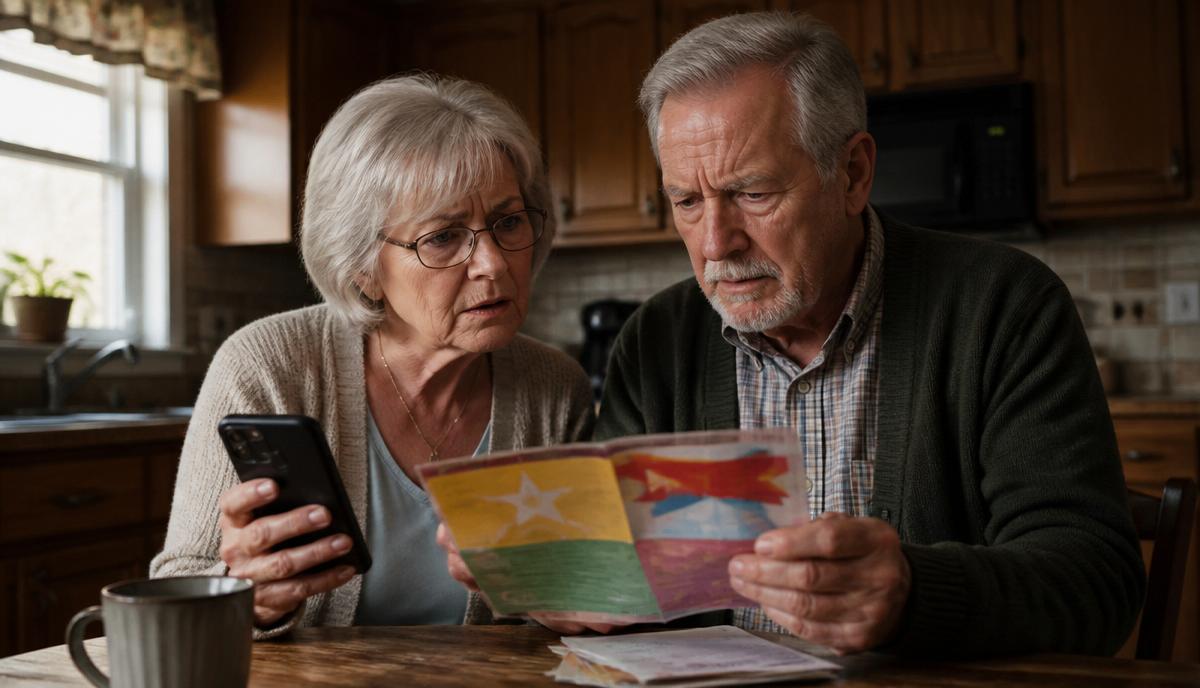
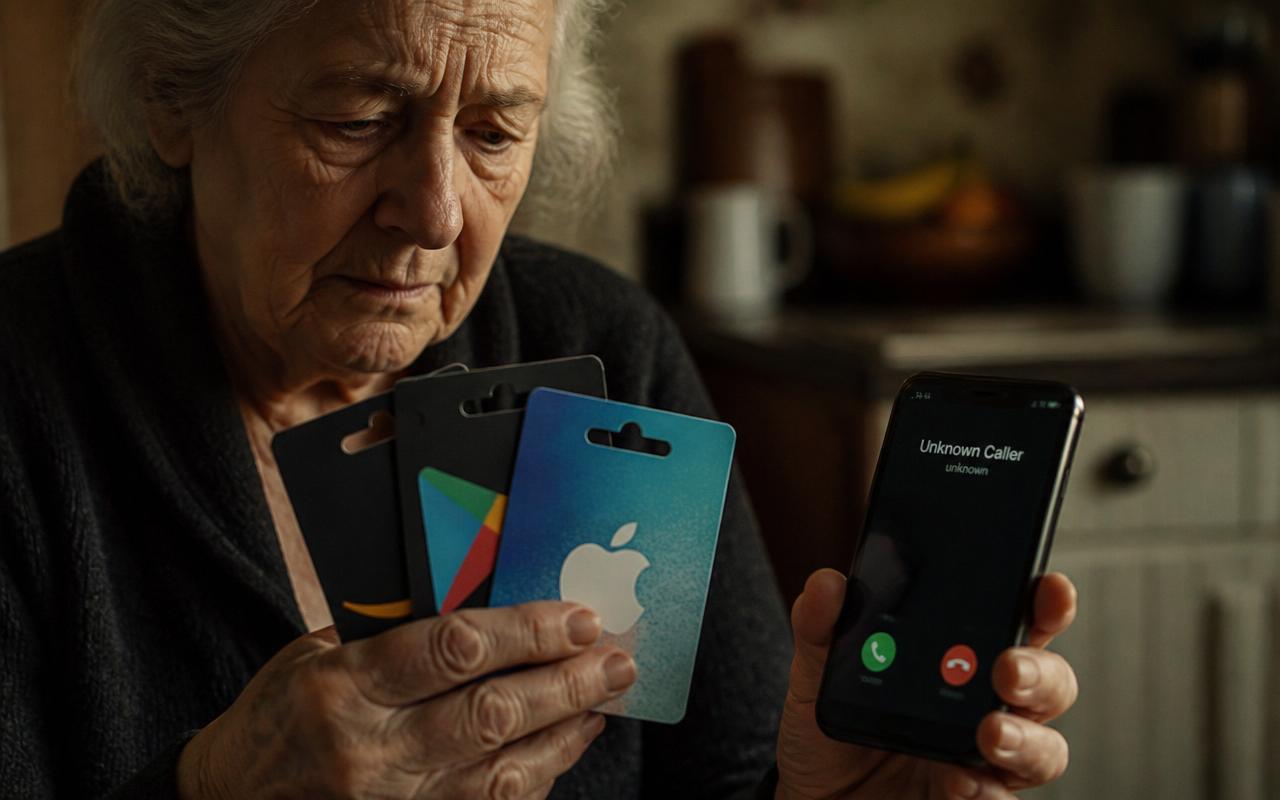
The phone rings on a Tuesday morning. A cheerful voice tells your mother — or you — that she has just won $2.5 million and a new car from Publishers Clearing House. All she needs to do is pay a small $499 ‘tax and processing fee’ so the Prize Patrol can deliver the check. She can pay by Target gift card. They will wait on the line while she drives to CVS.
By dinner she is out $3,200 in gift cards, embarrassed, and afraid to tell her kids. She is not alone. The FBI’s 2025 Elder Fraud Report tracked $178 million in reported losses to sweepstakes and lottery scams last year — and that’s only the ones victims reported. The real number is many times higher because most people are too ashamed to file a complaint. The Publishers Clearing House scam is the single most common version of that scam.
This guide walks you through exactly how the 2026 version works — the phone script, the fake letter, the Facebook message — the 10 red flags every version shares, the real PCH rules straight from the company’s own fraud team, and the step-by-step recovery plan if you already sent money. Bookmark this page. Send it to your parents.
How the Publishers Clearing House scam works in 2026
The scam has three main delivery channels this year, and each one uses a slightly different script. All three end the same way — a request for money before you can ‘collect’ a prize that does not exist.
Version 1: The Prize Patrol phone call
This is the classic and still the most common. A caller — often a woman with a warm, upbeat voice — tells you you’ve been selected as a PCH winner. She may say she is ‘Danielle from the Prize Patrol’ or ‘David Sayer’ (a real PCH executive whose name scammers steal). She’ll give a case number and read off your correct home address to prove it’s ‘real.’ Then she pivots: before the Prize Patrol can deliver the balloons and the giant check, you need to pay the IRS clearance fee / bonded courier fee / insurance / registration tax. Always by gift card, wire, cryptocurrency, or same-day Zelle. Never by check.
A typical script sounds like this: ‘Congratulations! You’re one of five finalists selected from over 12 million entries. Your prize is $2.5 million plus a brand new Lincoln Navigator. Before I can dispatch the Prize Patrol to your address on Maple Street, we need to clear the federal tax obligation of $499. This is IRS-mandated. Once cleared, I’ll personally hand you the check on camera tomorrow morning. Do you have a pen? I need you to go to your nearest Target or CVS and pick up five $100 Google Play cards. Stay on the line — I’ll walk you through it.’
Two things are happening in that script. First, the caller is using your address to prove legitimacy — they bought that from a data broker or a leaked PCH mailing list. Second, they’re telling you to stay on the line the entire time so you can’t call your bank, your kids, or the real PCH to check. That instruction alone is the tell.
Version 2: The fake PCH letter in the mail
You get an official-looking letter, sometimes with a Publishers Clearing House logo, sometimes with a phony ‘National Sweepstakes Bureau’ or ‘Prize Distribution Center’ letterhead. Inside is a check — usually for around $4,800 — and a letter congratulating you on winning a much larger $250,000 or $2.5 million grand prize. The letter instructs you to deposit the check to cover ‘taxes and processing’ on the bigger prize, then wire the funds back to a designated agent.
The check is a counterfeit. Banks may credit it to your account within a day or two, but they will reverse the deposit within a week when the fraudulent check bounces. By then you’ve wired real money out of your real account. You are now personally responsible for the full amount. This variant has hit seniors particularly hard in 2026 because the checks are printed with extraordinary quality — bank tellers often accept them without question.
Version 3: The Facebook or Messenger PCH scam
You get a friend request or a direct message from an account using the name and photo of a real PCH executive — Danielle Lam, Todd Sloane, or Howie Guja are common. The message says ‘Hi, congratulations! Your name came up as a winner in this month’s $1,000-a-day-for-life drawing. I need to verify your delivery address before we send the Prize Patrol. Reply YES to confirm.’ Once you reply, the ‘agent’ walks you through the same fee sequence — this time usually asking for Bitcoin, Cash App, or Zelle.
The real PCH executives never use Facebook to contact winners. Their official accounts have a blue verification checkmark and don’t send unsolicited messages. If the sender doesn’t have a blue check, it is a scam.
The 10 red flags every Publishers Clearing House scam shares
Print this list. Tape it to the fridge. If ANY of these ten things happen, it is a scam — no matter how convincing the caller or the letter looks.
- You were contacted about winning — real PCH winners are surprised in person by the Prize Patrol, or notified by certified U.S. mail with no strings attached.
- You are asked to pay ANY fee up front — taxes, insurance, shipping, ‘IRS clearance,’ bonding, processing, legal, or registration. Real PCH prizes have zero fees.
- You are told to pay by gift card, wire transfer, cryptocurrency, Zelle, Cash App, Venmo, or a prepaid debit card. No real government agency or sweepstakes uses these.
- You are told to keep the win a secret until the Prize Patrol arrives — real PCH loves publicity and would never ask you to stay quiet.
- The caller has a foreign accent, calls from an area code you don’t recognize, or uses a spoofed local number (real PCH calls come from Port Washington, NY area codes only when they call at all — and again, they don’t call winners in advance).
- You’re asked to stay on the line while you drive to a store to buy gift cards, or told not to hang up ‘for security reasons.’
- The prize amount is oddly precise ($2,547,832.19) or oddly round ($2.5 million exactly) with no explanation of the drawing you supposedly entered.
- The letter or email contains typos, awkward phrasing, or a return address that isn’t Port Washington, NY 11050.
- You are told the offer expires in 24 hours, 48 hours, or ‘by end of business today.’ Urgency is the scammer’s best friend.
- You are told to cash a check they sent you and wire part of it back. This is check-kiting fraud and you will be liable when the check bounces.
The real Publishers Clearing House rules, straight from PCH
Here is what the real Publishers Clearing House actually does, according to their official Consumer Affairs department and their published sweepstakes rules. Read this section twice. Anything different from what’s below is a scam.
- Real PCH SuperPrize winners ($1,000 SuperPrize, $5,000-a-week-forever, etc.) are surprised in person by the Prize Patrol with balloons, a giant check, and a camera crew. No advance warning.
- Real PCH online sweepstakes winners are notified by certified U.S. mail from Port Washington, NY 11050 or via their official PCH.com account.
- Real PCH never asks winners for any payment. Not a dollar. Not a cent. All taxes on U.S. sweepstakes prizes are paid by the winner directly to the IRS at tax time — never to the sweepstakes company in advance.
- Real PCH never asks for a bank account number, routing number, credit card, Social Security number, or gift card codes to ‘release’ a prize.
- Real PCH does not use Facebook Messenger, WhatsApp, Instagram DM, or text messages to contact winners.
- Real PCH publishes a public list of major winners at pch.com/winners — if your ‘win’ isn’t on it, and you were contacted in advance, it’s a scam.
- You do not need to buy anything from PCH to enter or to win. It is illegal in the U.S. to require a purchase to enter a sweepstakes.
What the fake PCH letter looks like (visual red flags)
Fake PCH mailings have gotten alarmingly polished in 2026, but they still leak away by these signs. Look for any one of them and stop.
- A return address that is not Publishers Clearing House, 101 Winners Circle, Port Washington, NY 11050 — often a P.O. box in Nevada, Florida, or Ontario, Canada.
- A ‘check’ printed on paper that feels too thin or too glossy — real bank checks have watermark security paper.
- A phone number to call to ‘claim’ the prize. Real PCH letters don’t include claim phone numbers — you don’t claim anything, they come to you.
- The word ‘certified’ or ‘guaranteed winner’ combined with instructions to deposit a check. Real PCH does not send checks in the mail that you deposit before receiving your ‘real’ prize.
- A ‘prize board’ or ‘affidavit’ document to sign and return with a fee. PCH uses affidavits, but they are delivered in person by the Prize Patrol and never require a fee.
- Any mention of Costa Rica, Jamaica, Nigeria, or ‘overseas processing center.’ The overwhelming majority of sweepstakes scam calls originate from Jamaica and Costa Rica — the FTC and DOJ have prosecuted multiple boiler rooms in both countries.
If you already sent money: the first-24-hours recovery plan
Speed matters more than shame. Do these steps in order. Do not wait until morning. Do not wait to tell your family — call them from the same phone.
- If you paid by credit card or debit card: call the number on the back of your card immediately, tell them ‘I was a fraud victim, please freeze the card and dispute the charge as fraud.’ Credit cards have strong chargeback protection under Regulation Z.
- If you paid by bank wire: call your bank’s fraud line right now and ask them to attempt a wire recall. The window is short — sometimes only hours — but banks can reverse wires that haven’t been picked up.
- If you paid by Western Union or MoneyGram: call Western Union at 1-800-448-1492 or MoneyGram at 1-800-926-9400 and request a hold/recall. If the money hasn’t been picked up, they can stop it.
- If you paid by Zelle, Cash App, or Venmo: report the transaction as fraud inside the app. As of 2025, banks are required under new CFPB rules to investigate Zelle fraud claims — file a written dispute with your bank the same day.
- If you paid by gift card: call the retailer’s fraud line before the cards are drained. Apple 1-800-275-2273, Google Play 1-855-836-3987, Target GiftCard 1-800-544-2943, Amazon 1-888-280-4331, Walmart 1-888-537-5503, eBay 1-866-540-3229. Keep the physical cards and receipts — proof helps.
- If you paid by cryptocurrency: file a report at IC3.gov immediately and contact your exchange (Coinbase, Kraken, etc.). Recovery is unlikely but investigators build cases from these reports.
- Report to the FTC at ReportFraud.ftc.gov — this feeds the Consumer Sentinel database used by 3,000+ law enforcement agencies.
- Report to the FBI at IC3.gov — required for any loss over $1,000 and useful for smaller losses.
- Report to Publishers Clearing House directly at info@pchconsumeraffairs.com or 1-800-459-4724 — they publish scam warnings and pass details to federal investigators.
- Report mail fraud to the U.S. Postal Inspection Service at USPIS.gov/report or 1-877-876-2455.
- Place a free fraud alert with all three credit bureaus (Equifax 1-800-685-1111, Experian 1-888-397-3742, TransUnion 1-888-909-8872) — one call places it at all three.
- Change every password on financial accounts and enable two-factor authentication. If the scammer got your bank account info, close the account and open a new one.
How to protect elderly parents from Publishers Clearing House scams
If your mom or dad is in the target demographic — retired, at home during the day, has a landline — take these steps this week. Not next month. This week.
- Have the conversation now, before anything happens. Say: ‘Mom, if anyone ever calls saying you won a prize and asks for money, hang up and call me first. I promise I won’t be mad — I’ll help.’ The promise not to be mad matters more than any other single thing.
- Set up a call blocker. Nomorobo (free for landlines), YouMail (free for smartphones), or your carrier’s built-in blocker (Verizon Call Filter, AT&T ActiveArmor, T-Mobile Scam Shield) will stop 80%+ of scam calls before the phone rings.
- Add their number to the National Do Not Call Registry at DoNotCall.gov. This won’t stop scammers, but it makes legal callers stop — which means any unknown call is more likely to be a scammer.
- Set gift card purchase limits with the bank if possible. Some banks and credit unions will flag or block large gift card purchases for accounts flagged as elder-vulnerable.
- Enable transaction alerts on every account. Text alerts for any transaction over $100 give you a chance to intervene the same day.
- Add yourself as a trusted contact at their bank. Regulation E allows banks to notify a designated relative when they suspect elder financial exploitation.
- Use a free tool like our AI scam-check to paste any suspicious call transcript, letter, or message and get an instant verdict — no signup, no cost.
Frequently asked questions
Can Publishers Clearing House itself be trusted?
Yes. Publishers Clearing House is a real, 70-year-old New York company that runs legitimate sweepstakes and pays out real prizes. As of 2024 they had awarded more than $600 million in prizes. The company itself is not a scam — but its brand is one of the most impersonated brands in America because everyone recognizes the Prize Patrol. The scam uses their good name against seniors.
Why does the caller know my name and address?
Because your name and address is on many old mailing lists. PCH itself has mailed hundreds of millions of entry forms over the decades. Old data brokers and hacked marketing databases sell those lists for $10 – $200 on dark-web forums. The scammer bought a list of people over 65 who previously entered a sweepstakes. That’s why the pitch feels personalized. It isn’t.
The caller ID showed a New York number — doesn’t that prove it’s real?
No. Caller ID is trivially spoofed with software any 15-year-old can download. Scammers routinely spoof the actual Publishers Clearing House main number, 1-800-459-4724, so it shows up on caller ID as ‘Publishers Clearing House.’ If you get such a call, hang up and dial that number yourself from a different phone — the real PCH will confirm you did not win.
What if the scammer got my Social Security number?
Assume identity theft is now a risk. Do three things today: (1) freeze your credit at all three bureaus — Equifax, Experian, and TransUnion — a freeze is free and stops new credit accounts. (2) File an Identity Theft Report at IdentityTheft.gov — the FTC will generate a recovery plan tailored to what was compromised. (3) File Form 14039 with the IRS to prevent someone from filing a fraudulent tax return in your name.
The one thing to remember
The next time the phone rings and someone says you won Publishers Clearing House, remember: the real Prize Patrol shows up unannounced with balloons and never asks for a penny. Every other version is a scam. Hang up. Call your kids. Save the number to a scam-alert app so the next senior on the list gets warned too. That one hang-up may be worth $9,800 — or more — to your family.
Paste a suspicious text or email — instant AI verdict.
Paste any URL before you click — free phishing check.
Get scam alerts before they reach you
Safe Retire Watch sends real-time alerts when new scams target retirees in your state. From $9/month. 30-day money-back guarantee.
Get Protected