Romance Scams: The Complete 2026 Guide for Retirees and Their Families
Romance scams stole $1.3B+ from Americans last year — and adults 60+ lost the most per victim. Learn the exact scripts, the 12 red flags, how to reverse-image-check a photo, and how to get money back if you've already sent it.
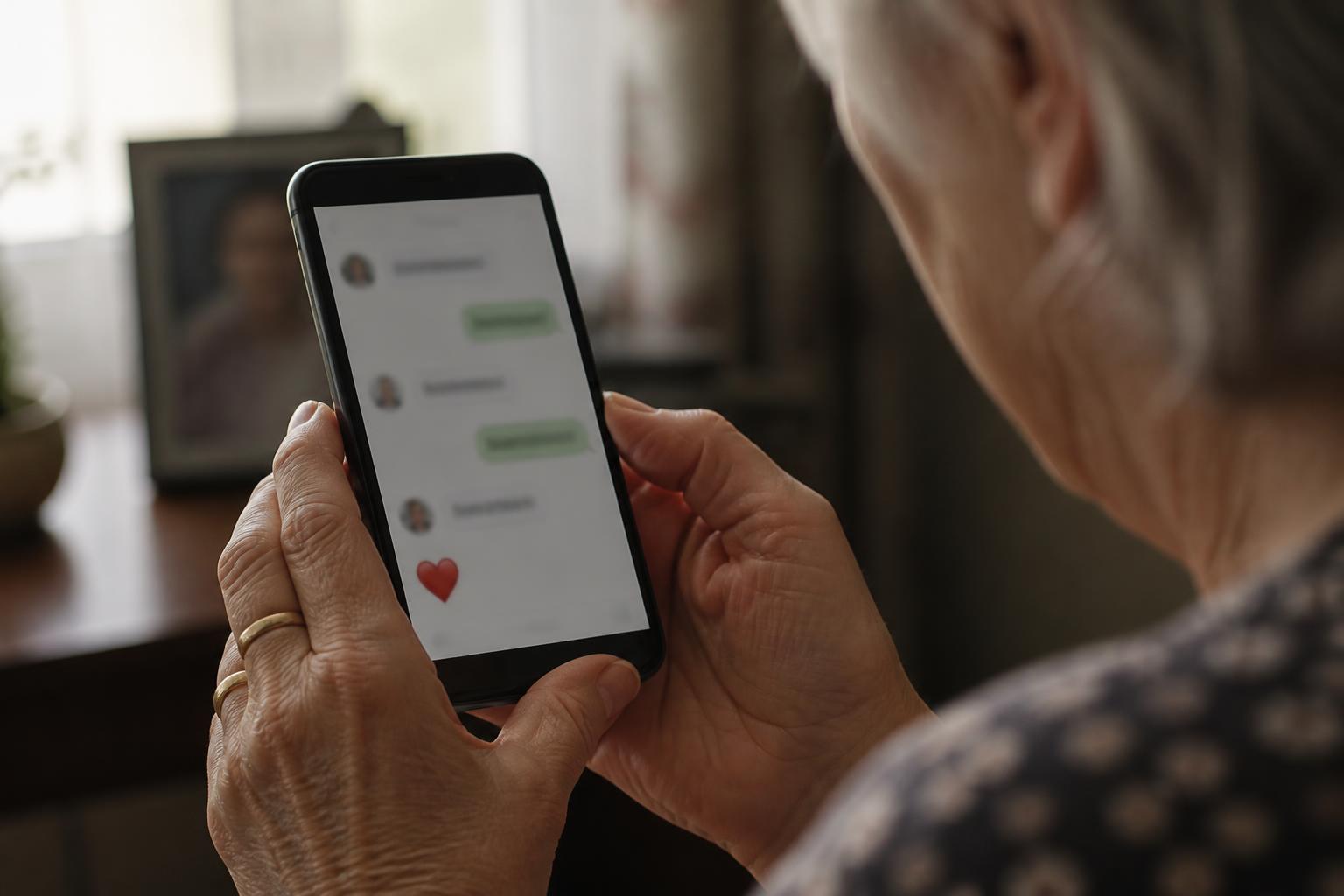
Romance scams are the single most emotionally devastating fraud aimed at retirees. In 2024 the FBI's Internet Crime Complaint Center (IC3) received more than 59,000 romance-scam reports totaling $1.3 billion in losses — and adults 60 and older reported the highest per-victim losses of any age group, a median of nearly $9,000 and, in the worst cases, entire retirement accounts. Unlike a one-time robocall, a romance scam unfolds over weeks or months of daily messages, so by the time money changes hands the victim is not thinking clearly — they are in love. This 2026 guide breaks down exactly how romance scams work, the 12 red flags that appear in almost every case, the tools you can use in 60 seconds to check whether a profile is real, and the concrete steps to recover money and dignity if you or a parent has already been targeted.
What is a romance scam?
A romance scam is a confidence fraud where a criminal builds a fake online relationship — romantic, emotional, or a mix of both — to steal money, personal information, or both. The scammer never intends to meet in person. Every warm message, photo, and "I love you" is engineered to get you to send money, buy gift cards, forward a package, invest in a fake trading platform, or share account credentials. Most modern romance scams are run by organized crime groups operating out of West Africa or Southeast Asia, not by lonely individuals.
Why retirees are the #1 target
Scammers pick targets the way marketers pick customers — by looking for the highest lifetime value. Retirees often check every box:
- Home equity and retirement savings (IRAs, 401(k)s, pensions) that can be liquidated.
- Life transitions — widowhood, divorce, empty nest — that create emotional openings.
- Time to chat daily, which is the fuel every romance scam runs on.
- Less exposure to modern dating-app norms, making unusual behavior easier to disguise.
- Reluctance to tell adult children about a new relationship, which keeps a second set of eyes off the scam.
The 5 stages of a romance scam (and how to break out of each one)
Stage 1: The bait — where they find you
Scammers cast wide nets on Facebook, Instagram, Match, Hinge, Bumble, OurTime, SilverSingles, Christian Mingle, Words With Friends chat, and even LinkedIn. They also send unsolicited "Hi, sorry, wrong number" text messages — a technique called smishing that pivots into a romance scam within a week.
Break out: assume every unsolicited DM, friend request, or wrong-number text from an attractive stranger is a scam until proven otherwise. Real people rarely reach out this way.
Stage 2: The bond — love bombing
Within days you are being called sweetheart, soulmate, or "my queen/king." They text good morning and good night, ask about your grandchildren by name, remember your late spouse's birthday. This is called love bombing and it is deliberate — the emotional flood is what makes the money request work later.
Break out: the pace is the tell. Genuine relationships build slowly. If someone declares love before your first phone call, they are running a script.
Stage 3: The isolation — moving off-platform
"Let's move this to WhatsApp / Telegram / Google Chat so we can talk more privately." This move accomplishes two things: it gets you off the dating platform's fraud monitoring, and it makes their fake profile harder to trace after they eventually disappear.
Break out: refuse to leave the original platform for at least 30 days. If they refuse to stay, they are a scammer.
Stage 4: The crisis — the money ask
This is when the scam pays off. There is always a story: a medical emergency, a broken oil rig, customs holding a shipment, a frozen bank account overseas, an inheritance they can't access, a plane ticket to finally visit you. The amount starts small — a $200 gift card — and escalates.
Break out: any money request from someone you have not met in person is a scam, full stop. There are no exceptions — not medical, not legal, not a plane ticket, not a phone bill.
Stage 5: The re-victimization — recovery scams
After the scam collapses, a new "investigator," "recovery agent," or "crypto tracer" reaches out claiming they can get your money back — for a fee. This is the same criminal group under a new name, or an affiliate. Real law enforcement never charges a fee to investigate.
Break out: if anyone contacts you offering to recover funds for an upfront payment, it is a second scam. Report only through IC3.gov, FTC, and your state attorney general.
The 12 red flags that appear in almost every romance scam
- They contact you first — an unsolicited match, friend request, or "wrong number" text.
- Their profile has only 1–4 photos and they look too polished (often model, doctor, or military).
- They claim to work overseas, on an oil rig, in the military deployed abroad, or as a UN doctor.
- They are widowed or divorced with one young child they mention often.
- They fall in love within days and use pet names (sweetheart, my queen) immediately.
- They refuse or repeatedly cancel video calls, or the video is grainy, brief, and doesn't sync with their words.
- They quickly want to leave the dating site for WhatsApp, Telegram, Google Chat, or email.
- Their written English is fluent but their grammar has consistent quirks (missing articles, unusual capitalization).
- They ask personal financial questions early — retirement accounts, home ownership, monthly income.
- They introduce a "can't-miss" investment opportunity, often in crypto, forex, or gold.
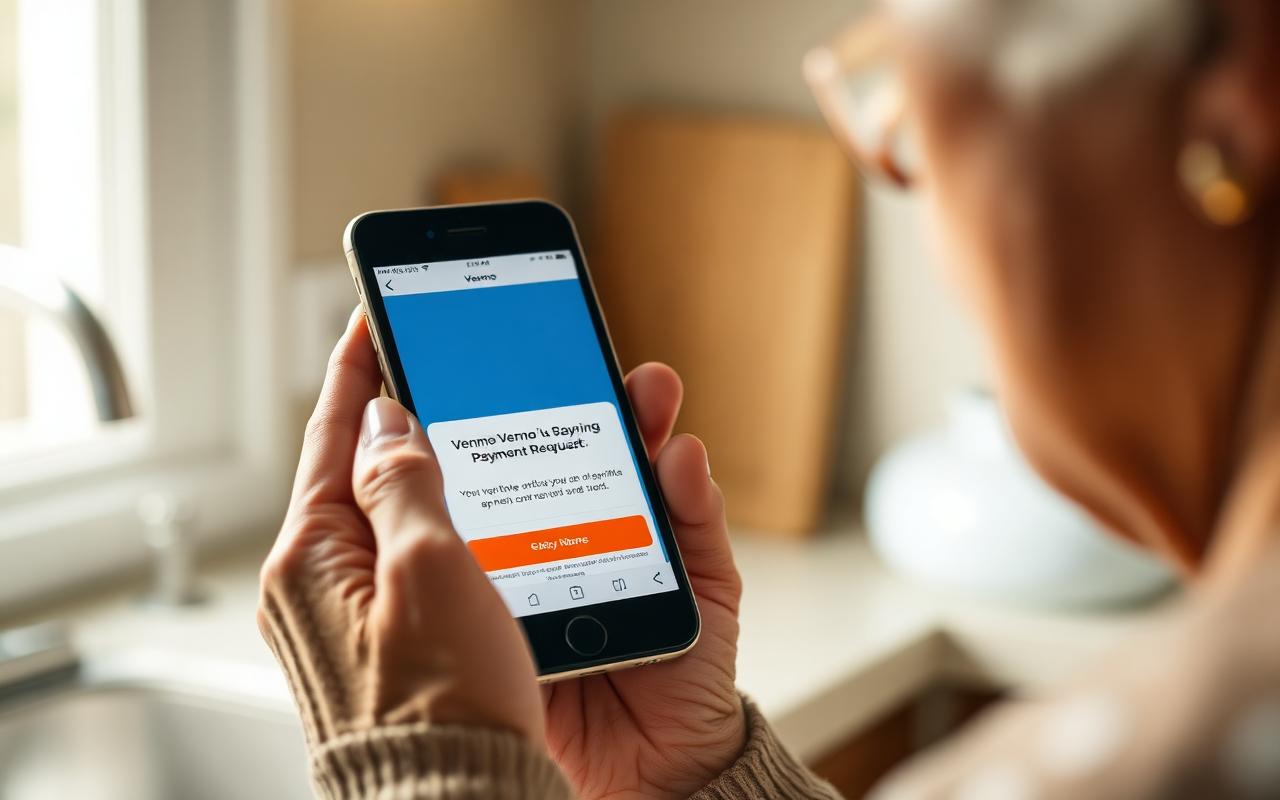
- The first money request is small ($100–$500) in gift cards, Zelle, Cash App, or crypto.
- Any emergency — medical, legal, customs, kidnap — that requires wire transfer today.
60-second checks: is this romance profile real?
1. Reverse image search their photos
Save each of their profile photos to your phone, then upload one at a time to images.google.com or tineye.com. If the same photo shows up on multiple unrelated profiles, a stock-photo site, or an actor's Instagram, you are talking to a scammer using someone else's face. This single check exposes about 40% of romance scams.
2. Ask for a live, unscripted video call
Ask them to hop on FaceTime or Zoom right now and hold up three fingers or say your name. Scammers use deepfake or looped video that can't respond in real time — they will refuse, blame bad internet, or the "video" will be a still image with lip movement that doesn't match.
3. Search their exact phrases
Copy 8–10 words of an emotional message they sent ("I have never felt this way before" plus a unique phrase) and paste it into Google in quotes. Romance scam scripts are recycled — you will often find the exact wording on scam-report forums.
4. Run their story through our free AI scam checker
Paste the actual messages or the situation into our free AI Scam Message Checker at /scam-check. It reads the pattern, tells you which scam script it matches, and gives you the exact next steps — free, no signup.
5. Check the link they sent to any "investment platform"
If they've sent a URL to a trading site, run it through our free AI Link Safety Checker at /link-check first. Fake investment platforms used in "pig butchering" romance-investment hybrids almost always fail basic safety checks.
The 5 most common romance scam scripts running in 2026
1. The overseas military hero
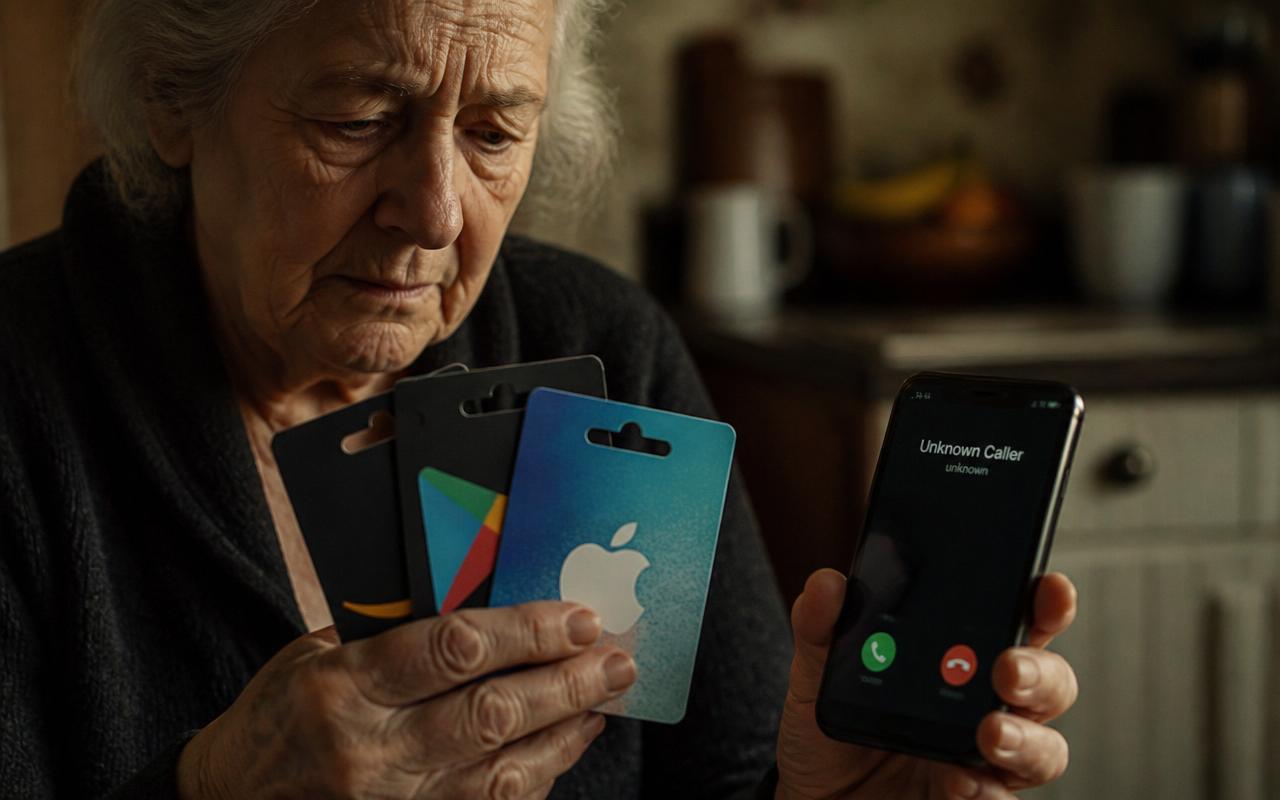
"General" or "Captain" deployed to Syria/Ukraine/Somalia. Cannot access his pay because of a "leave request fee." Asks you to receive a package (usually a Trojan horse for money laundering) or to send iTunes cards so he can call you. Real U.S. service members never need civilians to pay for leave, communications, or shipping.
2. The widowed oil rig engineer
Working offshore in the North Sea, Gulf of Mexico, or off Nigeria. Wife died in a car accident, has one young child in boarding school. Equipment fails, contract funds are frozen, needs a bridge loan. Real oil companies pay their own equipment repairs — always.
3. The pig-butchering investment romance
A hybrid of romance scam and crypto scam. They build the relationship, then introduce an "uncle" or "aunt" who taught them a foolproof trading strategy. They coach you through opening an account on a fake platform that shows fake gains. When you try to withdraw, there is always one more tax, fee, or verification. Losses average $145,000 per victim — the highest of any scam type.
4. The medical or customs emergency
They or a family member is in a hospital abroad, or a package/inheritance is being held by customs. Payment must be made in Bitcoin, Apple gift cards, or wire transfer within 24 hours. Real hospitals and customs agencies never accept gift cards.
5. The "we finally meet" plane ticket
After months of talk, they finally book a flight to visit you — but their card is declined at the airport and they need $1,800 wired now or they'll be stranded. The plane ticket does not exist. There is no airport. Do not send the money.
What to do if you've already sent money
Time matters. The first 72 hours give you the best chance of clawback. Do all of the following, in this order:
- Stop all contact — do not send a farewell message, do not confront them. Any warning helps them cover their tracks.
- Call your bank and credit-card companies. Ask specifically for a "fraud reversal" or "ACH recall" on any transfer in the last 60 days.
- If you sent gift cards, call the card issuer immediately (numbers on the back). About 5–10% of gift card funds are recoverable if reported within 48 hours.
- If you sent crypto, report to the exchange (Coinbase, Kraken, Binance US) and to the FBI's Virtual Asset Unit via IC3.gov. Include every wallet address.
- Report to IC3.gov (FBI), reportfraud.ftc.gov (Federal Trade Commission), and your state attorney general.
- Freeze your credit at all three bureaus — Equifax, Experian, TransUnion. Scammers who got personal info often try identity theft next.
- Tell a trusted family member or friend today. Shame keeps victims silent — silence is exactly what the scammers want.
- Do not engage anyone who contacts you offering to recover the funds. Recovery scams are the second wave.
How to protect a parent, spouse, or friend you suspect is being targeted
- Don't shame them. The moment they feel judged, they stop talking to you and lean harder into the scammer, who never judges them.
- Ask curious questions. "How did you meet?" "Have you video-chatted yet?" "When are you planning to meet in person?"
- Ask to see one recent photo. Offer to reverse-image-search it together, framing it as fun rather than a test.
- Offer to sit with them the next time the person calls or video-chats.
- If money has already moved, ask their bank about setting a large-transfer hold or a trusted-contact designation on the account.
- Loop in another sibling or trusted friend so the intervention isn't just you.
Frequently asked questions
Are romance scams illegal? Can the scammer be arrested?
Yes. Romance scams are federal wire fraud in the U.S., punishable by up to 20 years in prison. Because most scammers operate from Nigeria, Ghana, Ivory Coast, Cambodia, Myanmar, or Laos, arrests are rare — but the FBI does cooperate with foreign law enforcement and reporting builds cases against the compounds.
Can I get my money back after a romance scam?
Sometimes. Bank wire transfers reported within 24–72 hours have the highest recovery rate (10–30%). Gift cards, crypto, and international wires have very low recovery rates — usually under 5%. Always report anyway, because law enforcement patterns are what eventually seize scammer wallets.
Is it a scam if we've been talking for a year and they've never asked for money?
Possibly. Some long-cons wait 6–18 months for the target to be fully attached before the first ask. If you have never met in person and never had a spontaneous live video call, treat it as a scam until proven otherwise — the ask is coming.
What if they send me money first?
This is money-mule recruitment. They send you a fake check or a stolen wire, ask you to forward part of it to a "business partner," and by the time the check bounces you owe the bank thousands and may face criminal charges. Never receive and forward money for someone you haven't met.
How do I know the SafeRetireWatch alerts aren't just another scam?
Fair question — always be skeptical. We're a paid subscription service (which is why we have no incentive to sell your data), we cite every source (FBI, FTC, AARP), and we offer a 30-day money-back guarantee. Every alert links to the original government or news report so you can verify it yourself.
SafeRetireWatch sends real-time alerts the moment new romance-scam scripts start circulating — with screenshots of the actual openers, the platforms they run on, and the exact phrases to watch for. Join for $9/month with a 30-day money-back guarantee and protect the people you love.
Paste a suspicious text or email — instant AI verdict.
Paste any URL before you click — free phishing check.
Get scam alerts before they reach you
Safe Retire Watch sends real-time alerts when new scams target retirees in your state. From $9/month. 30-day money-back guarantee.
Get Protected